
QR Code Benefits: Why Businesses Are Using QR Codes Everywhere in 2026
Follow Us
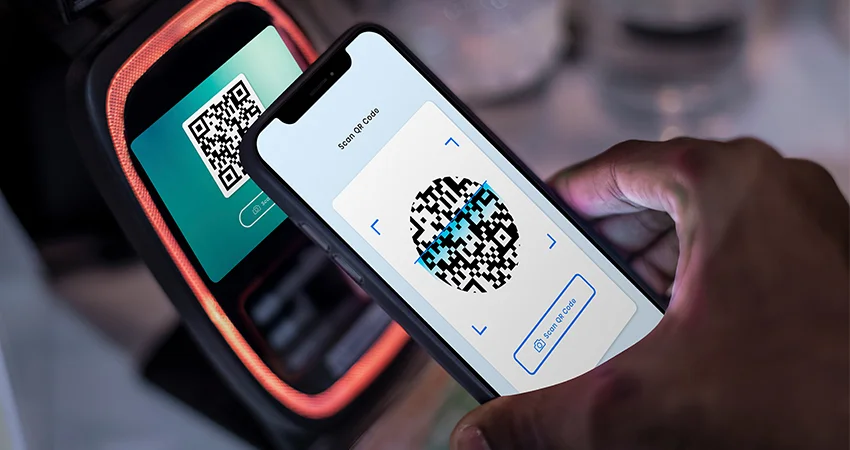
QR codes have become much more complicated than black-and-white squares. Today, they help with payments, restaurant menus, product packaging, marketing campaigns, customer support, event check-ins, and even healthcare systems.
As smartphone usage continues to grow, companies are increasingly opting for QR code solutions to provide faster, contactless, and more engaging customer experiences.
But what’s so good about QR codes?
In the previous blog, we learned about what a QR code is. In this guide, we’ll discuss QR code benefits, their real-world applications, the different types of QR codes, and why businesses across industries now consider them an essential digital tool.
The Rising Importance Of QR Codes
Businesses today need to connect offline audiences to digital experiences faster. QR codes perfectly suit this challenge.
Instead of customers having to find the information themselves, companies can quickly direct them to the right spot with a quick scan.
This enhances:
- User experience
- Customer involvement
- Marketing performance
- Accessibility
- Operational effectiveness
From small businesses to global brands, QR codes are now an important part of digital transformation strategies.
Understanding Different Types Of QR Codes
Not all QR codes work the same way. They may look the same visually, but they are. To better understand the difference between static and dynamic QR codes, it’s important to know how each type works and where it is best used.
There are essentially two types of QR codes: static QR codes and dynamic QR codes. Static QR codes are permanent, and the information cannot be changed once created.
But with dynamic QR codes, businesses can change the destination content even after the QR code has been printed. They also provide scan monitoring and analytics, which makes them perfect for marketing campaigns, restaurant menus, product packaging, and business promotions.
The best QR code option for you will depend on how you plan to use it, whether you will need to make edits in the future, and whether monitoring and analyzing customer engagement is important to your goals.
Some Major QR Codes Benefits
1- Real-Time Access To Information
One of the greatest advantages of QR codes is speed. Rather than typing in long URLs, manually searching, or separately downloading files, users can get the information they need with one scan. That makes for a more seamless, more convenient customer experience. Less friction often means more engagement and conversion when it comes to businesses.
2- Effective Customer Interaction
QR codes are created for engagement. A simple scan can take customers to:
- Loyalty programmes
- Product surveys
- Members-only offers
- Social media sites
- Event sign-ups
The process is instant, which makes it more probable that users will participate compared to the old manual method. Companies can also use advanced QR code solutions to create personalized customer journeys.
3- Contactless Consumer Experience
QR codes became a popular topic during the pandemic, but their usefulness has kept them around well beyond that. Restaurants use QR codes for digital menus, retailers for payments, and clinics for patient forms. People now see contactless interactions as faster and more efficient. That is why QR codes are especially useful for industries where customer convenience and hygiene are a factor.
4- Low-Cost Marketing Tool
Traditional advertising media are expensive to print and require frequent updates. QR codes connect physical marketing with digital content. Businesses can put QR codes on the following:
- Posters and flyers
- Packaging of Product
- Posters Cards
- Leaflets
Companies can send users directly to digital landing pages, rather than printing lots of information. This cuts printing costs and gives you more flexibility with your campaign.
5- Supports Real-Time Updates
Dynamic QR codes let businesses change destinations without changing the printed code itself.
For example:
- Restaurants can update their menus
- Retailers may change promotions
- Event organizers may adjust schedules
- Brands can reroute campaigns
This flexibility makes QR codes highly scalable for long-term use in marketing.
6- Easy To Set Up And Use
Another big benefit of QR codes is accessibility. You don’t need to be a tech wizard to make QR codes work for your business. Most QR code generators allow users to design their own codes in minutes. Consumers also find QR codes easy to use, as modern smartphones come with built-in scanning.
7- Better Tracking And Analytics
Today, QR code solutions offer detailed analytics that enable businesses to learn more about the behavior of their customers. Companies can monitor:
- Number of scans
- Types of devices
- Scan Points
- Time-based interaction
- Campaign effectiveness
These insights help with marketing optimization and return on investment.
8- Boosts Brand Visibility and Trust
QR codes give companies the chance to show they’re modern, tech-savvy, and customer-focused. By putting QR codes on packaging, business cards, menus, ads, or promotional merchandise, companies signal to consumers that they appreciate convenience and innovation.
They also allow companies to share more information without overwhelming printed materials. Instead of cramming brochures and posters with text and links, companies can keep it clean with a quick scan.
Why QR Codes Will Matter For Brands In 2026
Consumer behavior continues to shift to mobile-first experiences. People expect instant access, faster interactions, and little friction. QR codes meet these expectations.
QR code solutions provide businesses with a range of benefits, including but not limited to:
- Faster customer engagements
- More involvement
- Better marketing efficiency
- Reduced operating costs
- Easier sharing of information
As offline and online experiences continue to blur, QR codes are becoming a necessary business tool, rather than a nice-to-have.
Final Thoughts
The benefits of a QR code go far beyond convenience. QR codes have become a powerful bridge between physical and digital experiences, helping businesses improve accessibility, engagement, and operational efficiency.
Whether used for payments, marketing, customer support, or information sharing, QR codes provide flexible and scalable solutions for modern businesses.
As consumer expectations continue evolving, companies that offer QR code solutions like QR Inventor will be better positioned to deliver faster, smarter, and more connected experiences.
Want to generate your own QR code?
Try QR Inventor’s free QR code generator to build dynamic, trackable, and modern QR experiences for your business or personal use today.
Frequently Asked Questions (FAQs)
QR codes provide instant information access, improve customer engagement, reduce manual effort, and support contactless interactions.
Businesses use QR codes to simplify customer experiences, improve marketing performance, and connect offline users with digital content quickly.
Retail, restaurants, healthcare, education, logistics, and real estate industries widely use QR codes.
Yes. Many platforms allow users to generate static QR codes for free.
Yes. QR codes increase engagement, simplify customer journeys, and provide measurable campaign insights.
Most modern smartphones can scan QR codes directly through their built-in camera apps.
Categories


Table of Contents
- The Rising Importance Of QR Codes
- Understanding Different Types Of QR Codes
- Some Major QR Codes Benefits
- Why QR Codes Will Matter For Brands In 2026
- Final Thoughts
- Frequently Asked Questions (FAQs)