
Static vs. Dynamic QR Codes: What’s the Difference and Which One Should You Use?
Follow Us
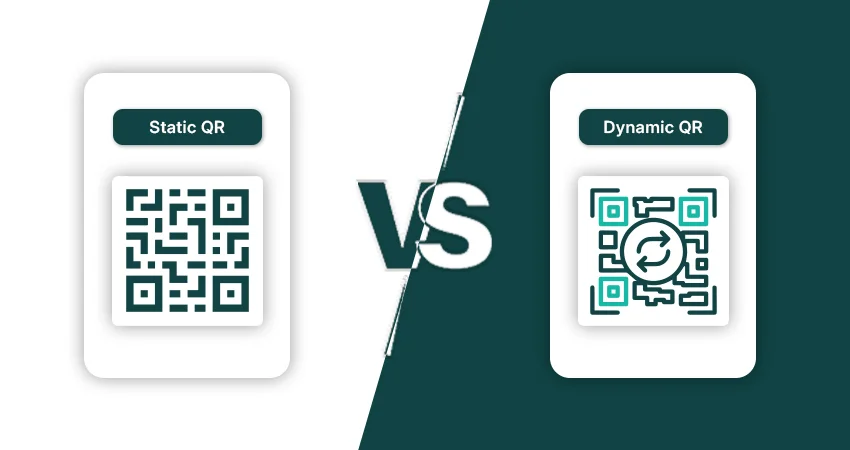
QR codes are integral to communication these days. From restaurant menus, digital payments, product packaging, and marketing campaigns, businesses across the globe are now using QR technology to connect offline users to online experiences instantly.
But before you create one, there’s an important decision to make: should you use a static QR code or a dynamic QR code?
They may look similar on the surface, but they work very differently in practice. Selecting the wrong type can cost you more than you can imagine; that’s why knowing the difference between static and dynamic QR codes will help you pick the right type.
What Is A QR Code?
QR stands for Quick Response. QR codes contain digital information and are scannable. You can use a smartphone’s camera to scan it, and the linked content will open right away without you needing to type anything.
QR codes can contain the following:
- URLs
- Contact details
- Wi-Fi passwords
- PDF documents
- Billing details
- App download link
- Text messaging
Today, QR codes are everywhere and offer customers an easy way to interact and access information across both digital and physical platforms.
What Are Different Types Of QR Codes?
There are two types of QR codes today. Static QR codes and dynamic QR codes.
The difference is not visual; it is functional. One is static and permanent, and the other is editable and flexible.
This distinction is critical when using QR codes in business, advertising, packaging, or marketing campaigns.
What Is A Static QR Code?
A static QR code stores information directly inside the QR pattern permanently. You can’t edit the embedded content once the code is generated.
For example, a static QR code might link to a website URL. That URL is fixed to the QR code. If the webpage changes later, the QR code cannot be changed. The only way would be to make a brand new code and print it.
Static QR codes are typically used in simple, long-term use cases where the information is not expected to change. Ideal for personal use, storing business details permanently, accessing home Wi-Fi, or sharing information easily.
One of the main reasons to use static QR codes is that they are usually free to generate. They run themselves and require no maintenance.
But static QR codes do have their limitations. They don’t have scan analytics, user tracking, device insight, or editing features. When printed, they are permanently locked.
What Is a Dynamic QR Code?
A dynamic QR code works differently. Instead of storing the final destination directly inside the code, it stores a short redirect link that forwards users to the actual content.
This allows the destination to be updated at any time without changing the printed QR code itself.
For example, a business can print one QR code on product packaging today and later redirect customers to an entirely different landing page without reprinting anything. The QR code remains the same while the destination changes in the background. This flexibility makes dynamic QR codes highly valuable for businesses and marketing campaigns.
Because of their flexibility, dynamic QR codes are commonly used for:
- Restaurant menu QR codes
- Marketing campaigns
- Event registrations
- Product packaging
- Real estate promotions
- Digital advertisements
- Business analytics
Although many dynamic QR code generators offer free plans, premium subscriptions often include advanced monitoring features.
Core Difference Between Static And Dynamic QR Codes
Feature | Static QR Code | Dynamic QR Code |
Editable After Creation | No | Yes |
Scan Monitoring | No | Yes |
Analytics | No | Advanced Analytics |
Best For | Permanent Info | Marketing Campaigns |
Requires Reprinting for Changes | Yes | No |
URL Management | Fixed | Flexible |
Campaign Optimization | Limited | Excellent |
Cost | Usually Free | Often Paid/PFreemium |
The Hidden Cost Of Using The Wrong QR Code
Many businesses opt for static QR codes, as they are free, but encounter expensive problems later. Some of the common problems that people face are:
- Reprinted menus
- Campaign URLs broken
- Event pages that have expired
- Wrong URLs on packaging
- Lost analytics opportunities
For companies, dynamic QR codes tend to be the less expensive option in the long run, as they reduce operational errors and maximize campaign flexibility.
Common Mistakes While Creating A QR Code
Avoid these common mistakes:
1. Static QR Codes for Temporary Campaigns
You might have to edit the information later
.2. Printing Without Testing
Make sure you scan your QR code on more than one device.
3. Employing Low-Quality QR Images
Blurry codes make a scan less likely to succeed.
4. Disregarding Analytics
Without keeping track, it is difficult to optimize campaigns.
5. Links to Broken
Pages Keep a regular check on your landing pages.
Is It Possible To Convert A Static QR Code Into A Dynamic One?
No. Once a static QR code is created, its contents are fixed for all time. To access editing and analytic features, you’ll have to create a new dynamic QR code.
Final Thoughts
Overall, the static vs. dynamic debate is about flexibility vs. simplicity.
Static QR codes are free, fixed, and simple, perfect for simple or private use. Businesses and marketing professionals favor dynamic QR codes because they can edit, analyze, and control them for the campaign.
As QR code usage across industries continues to grow, the impact of selecting the proper type of QR code is increasingly important. The decision you make today can save time, lower operational costs, and improve customer experiences tomorrow. With a reliable QR code generator, you can create any kind of QR code.
See you in the next blog; until then, take care!
Want to generate your own QR code?
Try QR Inventor’s free QR code generator to build dynamic, trackable, and modern QR experiences for your business or personal use today.
Frequently Asked Questions (FAQs)
Static QR codes can’t be edited after creation, but dynamic QR codes can be updated to a different destination at any point.
Yes. Dynamic QR codes offer businesses analytics, editing, and greater campaign flexibility.
No. Static QR codes do not expire as long as the linked content is active.
Dynamic codes are better than static codes when the usage is for marketing. With a dynamic QR code, you can track scans, update campaigns, and optimize customer engagement.
Menu items and prices change frequently, so it’s wise to go for dynamic codes.
Most QR code generators offer static QR codes for free, as they don’t require any ongoing management or analytics systems.
No, you can’t. This feature is available for dynamic codes only.
Yes. Both QR code types can be customized with colors, logos, shapes, and branding elements.
Categories


Table of Contents
- What Is A QR Code?
- What Are Different Types Of QR Codes?
- What Is A Static QR Code?
- What Is a Dynamic QR Code?
- Core Difference Between Static And Dynamic QR Codes
- The Hidden Cost Of Using The Wrong QR Code
- Common Mistakes While Creating A QR Code
- Is It Possible To Convert A Static QR Code Into A Dynamic One?
- Final Thoughts
- Frequently Asked Questions (FAQs)